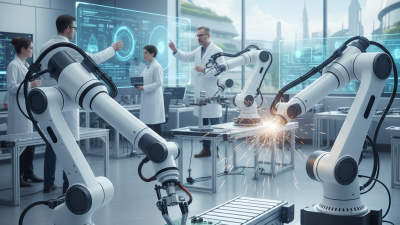
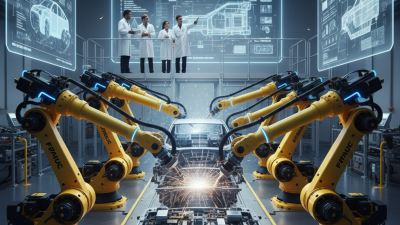
A robot is a machine designed to sense its surroundings, process information, and perform physical actions. It may sort packages, inspect bridges, assist surgeons, or explore places that are unsafe for people. Understanding how a robot works begins with its basic parts: sensors, software, a controller, motors, and a power source.
Sensors act like a robot’s eyes, ears, and skin. Cameras detect shapes, while distance sensors measure nearby objects. A controller interprets this information and chooses an action. Motors then move wheels, joints, grippers, or other tools. Feedback keeps the system responsive. For example, a robotic arm can slow down when its sensors detect unexpected resistance.
The process is practical, but not magical. A robot follows programmed instructions and responds to measured conditions. It does not understand the world exactly as humans do. Small errors in lighting, balance, or sensor readings can change its behavior. Even experienced engineers must test robots repeatedly in controlled environments. That detail matters because reliable performance depends on maintenance, careful design, and responsible human supervision. This guide examines the technologies behind modern robots and explains their limits through clear, real-world examples. The picture is not always neat. That is part of the engineering challenge.
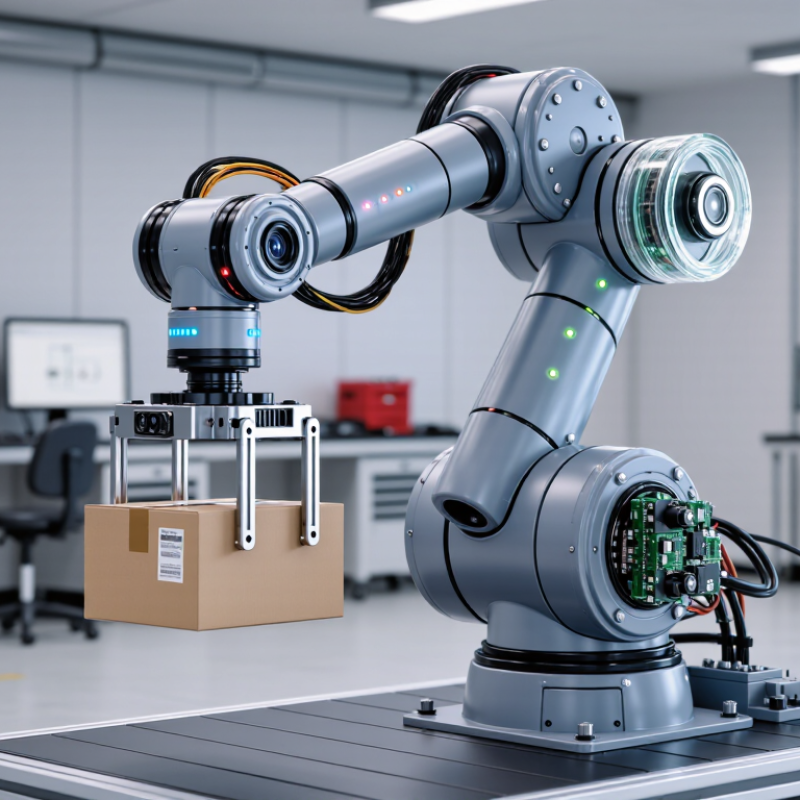
A robot is a machine that senses its surroundings, processes information, and performs physical actions. These abilities distinguish it from a simple timer or fixed mechanical device. A timer follows a schedule. A robot can respond to changing conditions. It senses.
Most robots contain three essential parts: sensors, a controller, and actuators. Sensors may detect distance, pressure, light, temperature, or movement. The controller interprets these signals and selects an action. Actuators then create motion through motors, joints, wheels, or grippers.
In a workshop, this process looks practical: a sensor detects an object, software calculates its position, and a robotic arm adjusts its grip. Feedback helps the system correct mistakes while operating.
A robot does not need a human shape. It may inspect pipes, move across uneven ground, or assist with repetitive laboratory work. Autonomy also exists in degrees. Some machines require constant human commands, while others choose actions within strict limits. The boundary becomes unclear with automated doors or smart appliances. Are they robots? Reasonable experts may disagree. I would define a robot by its ability to perceive, decide, and act in a physical environment, rather than by appearance. That definition remains imperfect, because software updates, remote control, and machine learning make responsibility harder to measure. Reliable systems still need testing, maintenance, emergency stops, and human oversight.
A robot combines physical parts, electronic systems, and programmed decisions. Its main components determine how safely and accurately it performs a task.
The mechanical structure provides the frame, joints, and movement range. Actuators, such as electric motors or hydraulic units, create motion. Sensors detect distance, pressure, temperature, and position. A camera may identify an object, while a force sensor prevents excessive gripping. The controller acts as the robot’s decision center. It processes sensor signals and sends commands to each actuator. An end effector then performs the task, such as gripping, welding, sorting, or inspecting.
Power systems support every movement and calculation. Batteries suit mobile robots, while industrial machines often use fixed electrical supplies. Software connects these components through motion planning, feedback control, and safety logic. The International Federation of Robotics reported 541,302 industrial robot installations worldwide in 2023. Its World Robotics 2024 report also recorded more than 4.2 million robots operating globally and 162 robots per 10,000 manufacturing employees.
The neat diagram can mislead.
Real deployments expose small weaknesses. A loose cable, dirty sensor, or poorly calibrated joint can stop an entire process. Safety systems, emergency stops, and human supervision remain essential. A robot may appear intelligent, but its performance still depends on reliable data, careful maintenance, and realistic programming.
What Is a Robot and How Does It Work?
How Robots Sense and Interpret Their Environment
A robot begins with sensors, not decisions. Cameras capture color, depth sensors measure distance, and microphones detect nearby sounds. Touch sensors can reveal pressure when a gripper contacts an object. Some robots also measure temperature, speed, tilt, or joint position. These signals arrive as electrical data, often many times per second.
The control system combines those measurements into an environmental model. A camera may identify a doorway, while wheel sensors estimate movement. Software compares both inputs and checks whether they agree. If the readings conflict, the robot may slow down or stop. This cautious response matters near people. In practical testing, even clean floors can confuse optical sensors through glare, dust, or changing shadows.
Sensing is not the same as understanding. A robot can detect a round shape without knowing whether it is a cup or a loose wheel. Algorithms classify patterns using trained data, rules, or both. The result remains a probability, not perfect knowledge. Small errors matter. A wet surface may look solid, and a quiet object may escape sound-based detection. Engineers reduce these risks through repeated trials, protective limits, and human supervision. Yet no sensor sees everything. That limitation deserves attention.
Robots interpret their surroundings by combining data from multiple sensors. The values shown are representative update rates: cameras commonly provide about 30 frames per second, ultrasonic sensors about 20 readings per second, LiDAR about 10 scans per second, inertial measurement units about 200 measurements per second, and wheel encoders about 100 measurements per second. Faster updates help robots detect motion and changes more quickly, while sensor fusion combines these measurements into a usable understanding of the environment.
What Is a Robot and How Does It Work?
How Robots Make Decisions and Perform Tasks
A robot senses its surroundings, processes information, and selects an action. Sensors may detect distance, pressure, light, temperature, or movement. A control system compares these signals with its programmed goal. It then sends commands to motors, joints, wheels, or tools. This process happens repeatedly, sometimes within milliseconds. In a warehouse, a mobile robot might notice a box, calculate its position, and move toward it. Small errors still matter.
Robots usually make decisions through rules, models, or learned patterns. A delivery machine can slow down when its camera detects a person. An inspection robot may reject a part after measuring an unusual shape. Reliable systems use several sensors because one signal can be misleading. Engineers also test unusual conditions, such as dim lighting, slippery floors, or blocked pathways. Real environments are messy. Clean laboratory results can create false confidence.
Task performance depends on planning and feedback. The robot may divide a job into smaller actions, check each result, and adjust its movement. If a gripper fails to hold an object, the system can change its pressure or try again. Human supervision remains important for uncertain situations. A robot can follow instructions precisely, yet misunderstand the real purpose behind them. I have found that practical testing often exposes weaknesses that simulations hide. That imperfect evidence should lead to safer settings, clearer limits, and continued review.
| Robot Category | Typical Structure | Input and Sensing | Decision-Making Method | Task Execution | Common Performance Measures |
|---|---|---|---|---|---|
| Industrial Manipulator | Rigid articulated arms with multiple rotary or linear joints, mounted on a fixed base. | Position sensors Force sensors Cameras | Executes programmed motion paths; feedback controllers compare the desired position with the measured position and correct errors. | Welding, assembly, painting, packaging, and material handling. | Position accuracy, repeatability, cycle time, payload, and uptime. |
| Autonomous Mobile Robot | Wheeled or tracked platform containing a drive system, onboard computer, battery, and sensor package. | LiDAR Cameras Wheel encoders Inertial sensors | Builds or updates a map, estimates its position, plans a route, and avoids obstacles using sensor feedback. | Moving materials, indoor inspection, inventory movement, and facility navigation. | Localization error, travel time, obstacle-clearance rate, battery duration, and delivery success. |
| Service Robot | Mobile or stationary body designed to interact with people, objects, or shared environments. | Microphones Cameras Touch sensors Distance sensors | Combines task rules, object recognition, speech or gesture interpretation, and safety constraints. | Information delivery, cleaning, guided assistance, monitoring, and routine support tasks. | Task-completion rate, response time, interaction accuracy, safety events, and user acceptance. |
| Agricultural Robot | Ground vehicle, robotic arm, or specialized machine adapted for outdoor terrain and crop conditions. | Cameras GPS/GNSS Soil sensors Weather data | Identifies plants or terrain features and adjusts movement or treatment according to location and measured conditions. | Crop monitoring, targeted spraying, weeding, harvesting assistance, and soil assessment. | Coverage area, plant-detection accuracy, treatment precision, yield impact, and energy use. |
| Aerial Robot | Lightweight airframe with propellers, flight controller, battery, and navigation sensors. | Cameras Altimeter Inertial sensors Positioning data | Maintains stable flight through continuous control loops and follows waypoints while monitoring hazards and airspace limits. | Mapping, inspection, environmental observation, and data collection. | Position accuracy, flight endurance, image quality, coverage, and landing reliability. |
| Medical or Assistive Robot | Precise manipulator, wearable mechanism, or mobile platform designed for controlled human-centered operation. | Force sensors Motion sensors Cameras User controls | Uses predefined clinical or assistance procedures with continuous monitoring, limits, and human supervision. | Rehabilitation exercises, instrument handling, mobility support, and precise positioning. | Motion precision, force control, patient safety, reliability, comfort, and procedure time. |
| Humanoid Robot | Body with human-like proportions, including a torso, arms, legs or wheels, and a head-mounted sensor area. | Cameras Microphones Touch sensors Joint sensors | Coordinates perception, language or gesture processing, balance control, motion planning, and task priorities. | Research, human-environment interaction, object handling, and demonstrations of general-purpose mobility. | Balance stability, recognition accuracy, manipulation success, response time, and operating duration. |
A robot combines sensors, software, motors, and mechanical parts to perform physical tasks. Sensors read distance, temperature, pressure, or images. Software interprets that information, while actuators create movement. This process sounds simple, but real workplaces are rarely tidy. Dust, changing light, and unexpected objects can disrupt performance.
Robots now work in factories, warehouses, farms, hospitals, laboratories, and public spaces. The International Federation of Robotics reported 541,302 industrial robot installations worldwide in 2023. Its World Robotics 2024 report also recorded more than 4.28 million industrial robots operating globally. The trend is expanding beyond production lines. The World Economic Forum’s Future of Jobs Report 2025 projects 170 million new jobs and 92 million displaced jobs by 2030, driven partly by automation and digital technologies. These figures describe broad labor changes, not robots alone. That distinction matters. A machine can reduce repetitive lifting, yet it cannot automatically understand every human situation. Some systems still need careful supervision, maintenance, and ethical review.
Tips: Define the task before choosing a robot. Measure errors, downtime, and worker feedback. Train people alongside the machine. Do not trust impressive demonstrations too quickly. A pilot test may reveal problems that a sales presentation misses. Teams should also document safety checks and update operating procedures as conditions change.