7 Tips for Choosing the Best Air Duct Machine?

Choosing the right Air Duct Machine is not merely a purchasing decision. It affects cleaning quality, worker safety, operating costs, and customer trust.

The U.S. Environmental Protection Agency reports that indoor pollutant levels can become two to five times higher than outdoor levels. Its “Care for Your Air” guidance also notes that some indoor concentrations may rise much further. These figures make airflow control, filtration, and contamination containment practical concerns. They are not just marketing claims. ASHRAE Standard 241-2023 also highlights the importance of controlling airborne contaminants through properly managed building systems.

Harvard healthy-buildings expert Joseph G. Allen offers a useful reminder: “The building is the patient.” That idea should guide every Air Duct Machine comparison. A compact rotary brush may suit narrow residential ducts, while a powerful negative-air machine may better serve commercial systems. Hose length, vacuum pressure, filter ratings, noise levels, access tools, and maintenance requirements all matter. So does operator training.

Still, no buying guide can replace an on-site inspection. I may overvalue suction power if I ignore duct material, system layout, or debris type. The most expensive machine may perform poorly in a cramped ceiling space. Conversely, a modest unit can work well when matched carefully to the job.

The following seven tips examine those decisions closely. They focus on measurable performance, credible certifications, real field experience, and long-term value. Choose carefully. Clean air depends on more than horsepower.
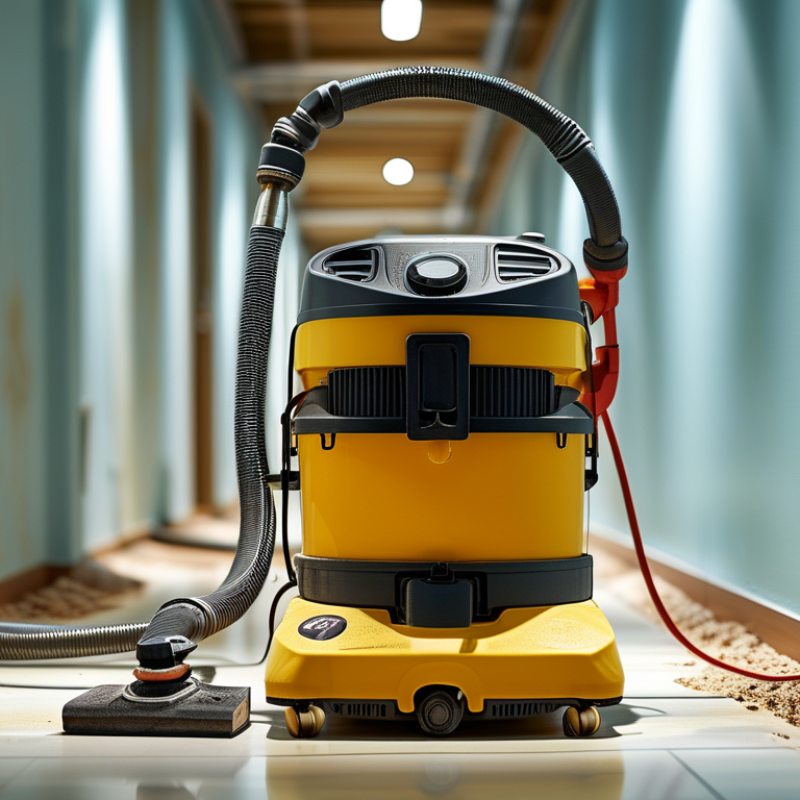
7 Tips for Choosing the Best Air Duct Machine?

Identify Your Air Duct Cleaning Requirements

Choosing an air duct machine starts with identifying the cleaning problem, not comparing horsepower. Inspect the system first. Note duct diameter, access openings, bends, insulation condition, and visible debris. A small residential system may need compact agitation and controlled negative pressure. Larger commercial ducts require higher airflow, stronger static-pressure performance, and longer hose runs.

The U.S. Environmental Protection Agency reports that indoor pollutant levels can be two to five times higher than outdoor levels. Poorly maintained ducts may worsen dust movement, but cleaning cannot correct every indoor-air problem. Moisture, mold-like growth, or damaged insulation needs separate professional assessment. Do not force one machine into every situation.

Airflow and filtration should match the debris and building conditions. Fine dust calls for effective particle capture, while packed construction debris needs mechanical agitation and durable hose connections. Check whether the machine supports sealed negative pressure during cleaning. The National Air Duct Cleaners Association emphasizes source removal and system containment in its industry standards.

EPA guidance also notes that people spend about 90% of their time indoors, making dust control a practical health and comfort concern. A HEPA-rated filter can improve capture, but only when seals remain tight and filters are maintained. That detail is easy to overlook. I have seen equipment selected by motor size alone, then struggle around sharp elbows and restricted registers. Measure the route, estimate setup time, and leave room for honest mistakes.

Compare Airflow, Suction Power, and Machine Performance

Tip 1: Compare airflow before judging a machine’s cleaning ability. Airflow shows how much air the unit moves through the duct system. Higher airflow can carry dust, lint, and loose debris more efficiently. Check the measurement unit and testing conditions carefully. Numbers may look impressive but still lack context.

Tip 2: Examine suction power at the hose, not only at the motor. Strong suction helps remove compacted dirt near bends and damp sections. However, excessive suction may stress fragile duct materials. A reliable machine should offer adjustable control. I once trusted the highest vacuum rating and overlooked hose losses. That was a costly assumption. Ask for performance data with common hose lengths attached.

Tip 3: Evaluate total machine performance during real work. Look at motor stability, filter capacity, noise, heat, and recovery time. A machine that loses power after ten minutes wastes labor. Test it on both narrow vents and longer trunk lines. Observe whether airflow remains steady as the filter loads. This detail matters.

Professional technicians should record airflow and suction readings before and after cleaning. These measurements support honest service reports and help identify weak equipment. Maintenance also affects performance. Dirty filters, damaged seals, and undersized hoses can reduce results sharply. No machine performs perfectly. Choose one that delivers consistent, measurable output in your actual working conditions.

Choose the Right Machine Size and Configuration

Choosing the right air duct machine starts with the ductwork, not the equipment catalogue. Measure the largest and smallest duct sections, including bends, grilles, and access points. A machine built for wide commercial ducts may be awkward in compact residential spaces. Measure twice. It matters.

Match airflow and pressure to the cleaning task. Larger ducts often need stronger air movement, while narrow runs require controlled suction to prevent hose blockage. Check the hose diameter, cable length, filter capacity, and power supply before buying. On-site experience shows that a powerful machine can still perform poorly when its hose configuration does not fit the building. Portable units with adjustable speed are useful when duct sizes vary. Fixed systems may suit large facilities with regular maintenance schedules.

Configuration also affects labor and safety. Look for wheels that move smoothly over thresholds, secure hose connections, and access panels that open without special tools. A sealed filtration system helps contain dust during operation, but filters need frequent inspection. Do not rely only on advertised airflow figures; test performance under realistic hose lengths and bends. I once underestimated the space needed around a machine, making setup slower than expected. That mistake changed how I evaluate footprint, storage, and operator access. Choose a configuration that your team can handle consistently, not merely the largest one available.

Evaluate Safety Features, Ease of Use, and Maintenance

Choosing the Best Air Duct Machine: Safety, Usability, and Maintenance

A reliable air duct machine should protect operators before it improves cleaning speed. Look for emergency-stop controls, guarded rotating parts, thermal overload protection, and a lockable power switch. These features support OSHA’s machine-safety and lockout/tagout principles. The risk is real. The U.S. Bureau of Labor Statistics recorded 2.6 million nonfatal workplace injuries in 2023. A loose belt or exposed fan can turn routine work into a serious incident.

Ease of use affects cleaning quality. Choose a machine with clear controls, manageable weight, adjustable suction, and wheels that roll over uneven flooring. Operators should change settings without kneeling beside a running motor. The U.S. Environmental Protection Agency reports indoor pollutant levels can be two to five times higher than outdoor levels, and occasionally much higher. Poorly controlled airflow may spread dust instead of removing it. That detail is easy to miss.

Maintenance should be simple and visible. Inspect filters, hoses, brushes, belts, and electrical cords before each job. Tool-free access helps, although it may weaken protection if covers fit poorly. Keep a service log with operating hours and replaced parts. The U.S. Department of Energy notes that duct losses can reach 20% to 30% in some systems, so airflow testing matters after cleaning. I would not trust a machine merely because it sounds powerful. Noise can hide vibration, blockage, or a failing bearing.

7 Tips for Choosing the Best Air Duct Machine? - Evaluate Safety Features, Ease of Use, and Maintenance

Tip Evaluation Focus What to Check Practical Selection Benchmark Maintenance and Operating Considerations
1 Prioritize Worker Safety Check for emergency-stop controls, grounded electrical components, enclosed moving parts, stable wheels, non-slip handles, and clear operating instructions. Safety First Select a machine with accessible controls, overload protection, and electrical protection that complies with applicable local codes. Use a residual-current or ground-fault device where required by the work environment. Inspect power cords, plugs, guards, wheels, and emergency controls before each use. Disconnect power before removing covers or clearing blockages.
2 Match Airflow to the Duct System Compare the machine's airflow, static-pressure capability, duct diameter range, and hose connections with the size and resistance of the ductwork. Choose a unit that provides adequate airflow at the system's actual static pressure, rather than relying only on the maximum free-air rating. Variable-speed control can improve adjustment across different duct sizes. Keep filters, grilles, and intake screens clean. Restricted airflow can reduce cleaning performance and increase motor temperature.
3 Evaluate Filtration and Dust Control Determine whether the machine uses a pre-filter, high-efficiency filter, sealed collection container, dust monitor, or a method for safely containing removed debris. For fine particulate control, a certified HEPA filter is rated to remove at least 99.97% of particles at 0.3 micrometres under test conditions. Verify that the complete machine, not only the filter media, limits leakage. Replace filters according to pressure-drop readings or the manufacturer's service schedule. Do not wash a filter unless it is specifically designed to be washable.
4 Choose an Easy-to-Operate Design Assess control layout, start-up procedure, hose connection design, handle position, wheel movement, cable storage, and whether one trained operator can use the machine safely. Prefer clearly labelled controls, tool-free access to routine service points, quick-connect fittings, and a balanced frame that can be moved without excessive lifting or twisting. Clean control panels and connectors regularly. Lubricate or inspect moving wheels and latches only as directed by the equipment manual.
5 Check Noise and Vibration Review the measured sound level, vibration control, base stability, and the suitability of the machine for occupied buildings or extended work periods. Compare sound ratings measured under the same test conditions. Lower noise is beneficial, but airflow and pressure performance should not be sacrificed solely for a lower sound rating. Inspect fan balance, mounts, fasteners, and bearings when unusual noise or vibration appears. Stop operation if vibration increases suddenly.
6 Consider Durability and Portability Examine the frame material, impact protection, wheel quality, hose storage, carrying points, and the machine's weight relative to stairways, vehicles, and job-site access. Select a robust but manageable design with corrosion-resistant surfaces, protected electrical parts, replaceable wear components, and wheels suited to the floors where it will be used. Remove dust after each job, keep the machine dry, protect hoses from sharp bends, and check structural fasteners and casters at regular intervals.
7 Review Serviceability and Total Cost Compare filter, belt, hose, motor, seal, and control-component availability, as well as warranty terms, service documentation, training, and expected energy use. Evaluate total ownership cost instead of purchase price alone. A machine with accessible service points and commonly available replacement parts can reduce downtime and maintenance labour. Use a written inspection log, follow the recommended service intervals, and keep spare consumables available. Record filter changes, faults, repairs, and operating hours.

Note: Performance ratings, electrical requirements, and safety procedures should be verified against the machine's technical manual and applicable local regulations before purchase or use.

Check Durability, Warranty, Price, and Customer Support

7 Tips for Choosing the Best Air Duct Machine?

Durability should be tested, not guessed. Inspect the motor housing, hose connections, wheels, and filter access. A machine used daily needs corrosion-resistant parts and easily replaceable seals. The U.S. Energy Information Administration’s 2020 Residential Energy Consumption Survey shows that heating and air conditioning consume roughly half of household energy. Reliable duct equipment therefore supports an important building system.

Warranty terms reveal the manufacturer’s confidence. Check coverage for the motor, vacuum pump, control board, and labor. A two-year warranty may be weaker than a one-year plan with accessible parts and clear procedures. ASHRAE’s HVAC Applications Handbook stresses regular inspection and maintenance for dependable system performance. That guidance makes service access a practical buying requirement.

Price needs a wider lens. Compare purchase cost, filter replacement, electricity use, downtime, and technician labor. The cheapest machine can become expensive after one failed hose or unavailable circuit board. The 2023 U.S. Bureau of Labor Statistics Occupational Employment and Wage Statistics report confirms that skilled maintenance labor carries a measurable hourly cost. Ask customer support for response times, repair locations, and parts availability before ordering. Test the support line.

I once focused too heavily on suction power. That was incomplete. Noise, maneuverability, and training materials can decide whether technicians use the machine correctly. Get written specifications, warranty exclusions, and service commitments. Vague promises deserve caution.

Login