What is Robotic Tools and How Do They Transform Industries?
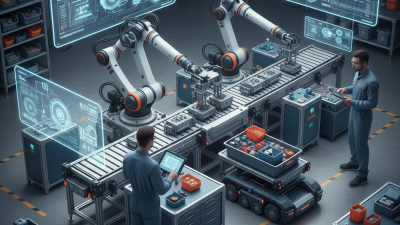
Robotic tools are revolutionizing various industries. They bring efficiency and precision to tasks once performed by humans. In manufacturing, these tools automate assembly lines, reducing errors and increasing production speed.
In healthcare, robotic tools assist in surgeries, enhancing outcomes for patients. They provide steady hands and detailed insights during operations. In agriculture, these tools optimize planting and harvesting, ensuring higher yields.
Yet, the reliance on robotic tools can raise concerns. Job displacement and dependency on technology are significant issues. Industries must navigate these challenges while embracing innovation. The balance between human skills and robotic assistance remains crucial.
Definition of Robotic Tools and Their Key Components
Robotic tools refer to devices and systems designed to automate tasks across various industries. These tools simplify complex processes, enhance efficiency, and reduce human labor. Key components of robotic tools typically include sensors, actuators, control systems, and software. Sensors gather data from the environment while actuators perform actions based on that data. Control systems analyze the information and make decisions, enabling robots to function autonomously.
Implementing robotic tools can significantly enhance productivity. Businesses need to evaluate their specific requirements before adopting these technologies. Consider the kind of tasks you want to automate. Some machines might not be suitable for particular tasks. Ensure you choose a system that fits your workflow.
It is essential to recognize the limitations of robotic tools. They can struggle with complex decision-making or tasks that require human intuition. Regular maintenance is crucial for performance, which can be time-consuming. Evaluate the cost-benefit aspect carefully. Robotic tools are not a one-size-fits-all solution. Be prepared to adapt and modify systems as needed.
Historical Development of Robotic Tools in Industry
Robotic tools have a rich history in various industries. Their evolution started in the early 20th century. Factories began to adopt simple machines for repetitive tasks. This move introduced efficiency but also raised concerns about job displacement. Workers felt threatened, causing resistance to these changes.
As technology progressed, robotic tools became more sophisticated. The introduction of programmable robots transformed manufacturing. These machines could perform complex tasks with precision and speed. However, companies often faced challenges in integration. Adapting to new technology requires training and investment.
Tip: Embrace change slowly. Evaluate the impact on your workforce. Provide comprehensive training to help employees adapt. This approach minimizes pushback and fosters innovation.
Despite advancements, not every implementation is perfect. Many organizations encounter setbacks. Some machines malfunction or operate below expectations. Regular assessments are crucial to ensure effectiveness. Fostering an open culture about improvements can aid productivity.
Tip: Encourage feedback from team members. Their insights can lead to better outcomes. Learn from missteps and iterate your processes. This growth mindset will support long-term success.
Current Applications of Robotic Tools Across Various Sectors
Robotic tools are reshaping many industries. In manufacturing, robots streamline production. They assemble parts with precision. This reduces errors and boosts efficiency. Factories can now operate 24/7. Yet, there are challenges in job displacement. Workers must adapt to new roles.
In healthcare, robotic tools assist in surgeries. They enhance the surgeon's ability to perform delicate procedures. Many hospitals report quicker recovery times for patients. However, reliance on technology raises concerns. There are questions about error rates and human oversight. Training is essential.
Tips: Embrace lifelong learning. Stay updated with technology trends. Adaptability is key in a changing job landscape. Engage in discussions about ethics and technology use. Reflect on how automation can impact your industry. Explore new skills that complement robotic tools.
What is Robotic Tools and How Do They Transform Industries? - Current Applications of Robotic Tools Across Various Sectors
| Industry |
Application |
Benefits |
Challenges |
| Manufacturing |
Assembly Line Automation |
Increased efficiency, reduced error rates |
High initial costs, integration with existing systems |
| Healthcare |
Surgical Robots |
Precision, minimally invasive procedures |
Training required for staff, high costs |
| Agriculture |
Automated Harvesting |
Labor savings, increased yield |
Weather dependency, technological reliability |
| Logistics |
Automated Warehousing |
Faster processing times, lower operational costs |
Maintenance of robots, risk of job displacement |
| Construction |
3D Printing of Structures |
Reduced waste, faster construction |
Regulatory issues, material limitations |
Benefits of Implementing Robotic Tools in the Workplace
Robotic tools are rapidly changing the workplace landscape. They offer numerous benefits. These tools improve efficiency and reduce human error. Tasks that once required hours can now be completed in minutes. This shift allows employees to focus on more strategic activities.
Implementing robotic tools can be a game changer. However, it isn't always smooth. Training staff is essential. Not everyone adapts to technology easily. Companies might face resistance from employees who fear job displacement. It's important to communicate the advantages clearly. Show how these tools can enhance work, not replace it.
Here are some tips:
- Engage employees in discussions about new tools.
- Offer training sessions that cater to different learning styles.
- Start with small pilot projects to build confidence.
Embracing robotics can lead to a more productive workplace. But remember,
change takes time and patience. It's crucial to listen to employee concerns and adapt accordingly. Balancing innovation with a human touch is key for a successful transition.
Future Trends and Innovations in Robotic Tool Technology
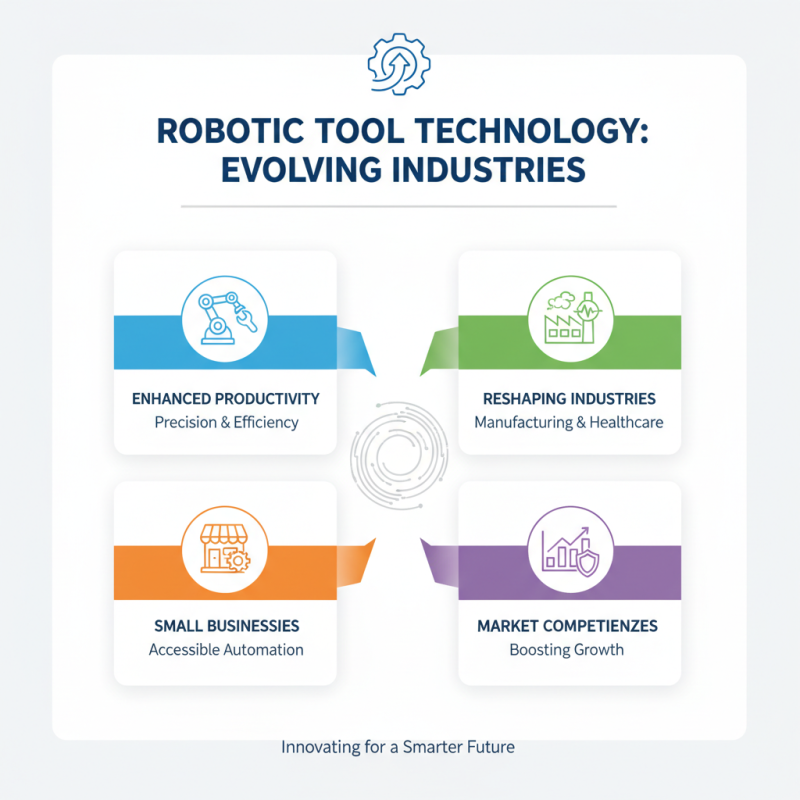
Robotic tool technology is rapidly evolving. This shift is reshaping various industries. From manufacturing to healthcare, robots are enhancing productivity. They perform tasks with precision and efficiency. New innovations are making automation more accessible to small businesses. This trend boosts competitiveness in the market.
As robots become more advanced, trends are emerging. AI integration is one key development. Robots can learn from their environment. They adapt to changes with minimal human oversight. Another trend is collaborative robots, or cobots. They work alongside humans, improving safety and efficiency. These robots are transforming workflows, but challenges remain.
Tips: Start small with automation. Assess which tasks could benefit from robotic tools. Monitor their performance and adjust as needed. Remember, implementing new technologies requires training for staff. It’s important to foster a culture of adaptability. Embrace the benefits, but also recognize potential issues. Continuous reflection is essential in this evolving landscape.