2026 How to Optimize Your Robot Cell for Maximum Efficiency?
In the fast-paced world of manufacturing, optimizing your robot cell is crucial. A well-designed robot cell can enhance productivity and reduce costs. However, many companies struggle to achieve maximum efficiency.
To start, the layout of a robot cell plays a significant role. Properly arranged tools and materials minimize travel time. Additionally, integrating advanced software solutions can streamline operations. Yet, even with technology, human factors cannot be ignored.
Operators need to feel comfortable and trained to work efficiently. Continuous feedback from them can lead to valuable insights. Thus, assessing the balance between automation and human input may be essential for improvement. By carefully scrutinizing each element, your robot cell can transform into a powerhouse of efficiency.
Understanding the Basics of Robot Cell Design for Optimal Performance
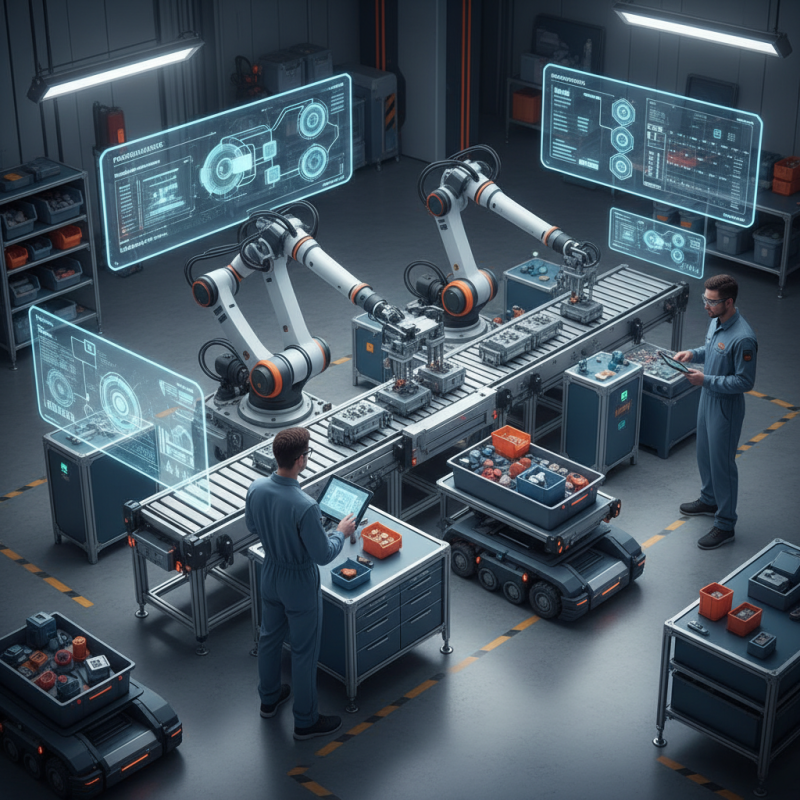
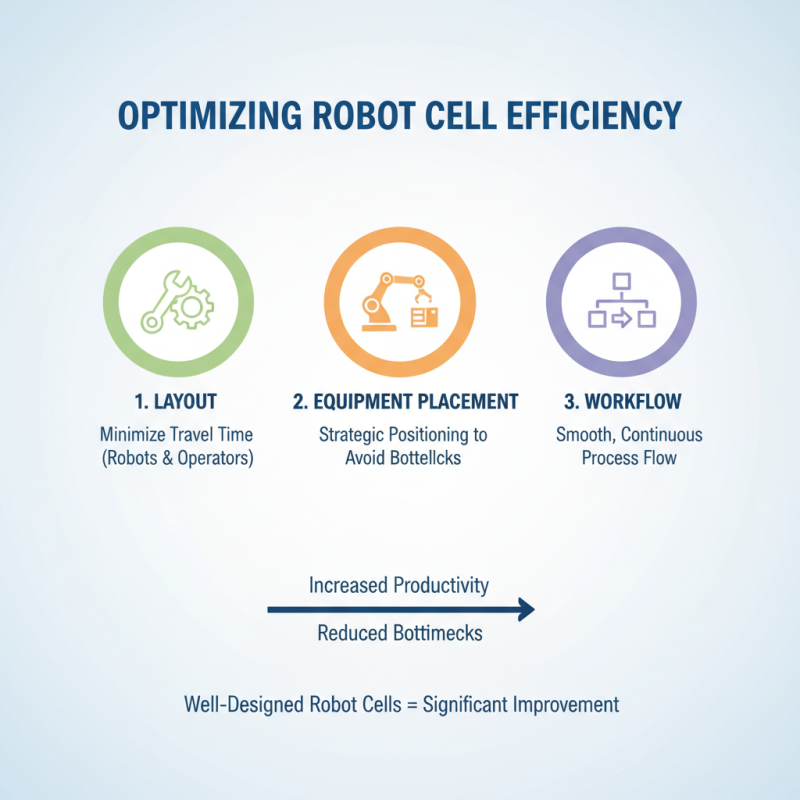
Robot cell design plays a crucial role in optimizing efficiency. A well-designed robot cell can significantly improve productivity. Key factors include layout, equipment placement, and workflow. These elements should be carefully considered to avoid bottlenecks. An effective layout minimizes travel time for robots and operators.
Equipment placement must allow for easy access. Machines should not obstruct each other’s operation. Additionally, consider how the robot interacts with materials. Using clear paths can simplify processes. Regular checks should be in place to identify any inefficiencies.
However, not all designs will work perfectly from the start. Trial and error is part of the process. Testing different configurations can reveal unexpected challenges. Feedback from operators is invaluable. They can provide insights that numbers may not capture. Continuous improvement should guide the evolution of the robot cell design.
Identifying Key Factors Influencing Efficiency in Robot Cells
In modern manufacturing, optimizing robot cells is essential. Efficiency can often be impacted by various factors. According to a report from the International Federation of Robotics, 70% of companies using automation struggle with configuration challenges. Proper layout can mean the difference between success and delays.
Positioning of robots must fit specific tasks. A well-organized flow reduces idle time. Studies show that reconfiguring layouts can lead to a 20% increase in throughput. However, many companies overlook this aspect. They focus too much on equipment rather than workflow. Balancing robot speed with operational tasks is vital.
Another crucial factor is the integration of software. Systems that provide real-time data can enhance decision-making. A study noted that real-time monitoring improved efficiency by 30%. Yet, not all facilities utilize these technologies. Investing in training is necessary. Employees must understand both the machinery and the software. Failing to do so can lead to miscommunication and wasted resources. Adjustments in training programs could bridge this gap.
2026 How to Optimize Your Robot Cell for Maximum Efficiency?
| Key Factor |
Description |
Impact on Efficiency (%) |
Optimization Method |
| Cycle Time |
The total time taken to complete a single cycle of operations. |
20% |
Streamline processes and reduce non-value-added steps. |
| Tooling and Fixtures |
Quality and design of tools and fixtures used in the cell. |
15% |
Invest in high-precision and adaptive tooling solutions. |
| Robot Programming |
Efficiency of the robot's programming and path planning. |
25% |
Optimize algorithms for shorter and smoother paths. |
| Workpiece Handling |
Methods used by robots to handle and transfer workpieces. |
18% |
Implement advanced handling techniques like vision systems. |
| Maintenance |
Regularity and quality of maintenance on robots and equipment. |
12% |
Establish a proactive maintenance schedule and training. |
Strategies for Streamlining Workflows and Processes in Automation
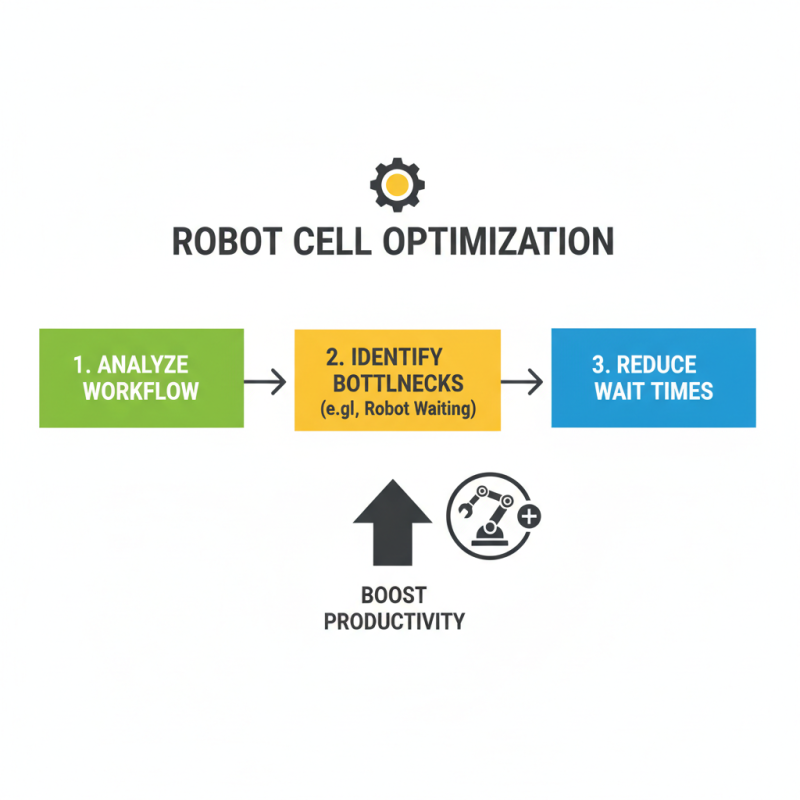
In the world of automation, optimizing a robot cell is key to boosting productivity. Streamlining workflows involves analyzing every step of the process. Identifying bottlenecks can reveal inefficiencies. For instance, if a robot waits too long for materials, output suffers. Reducing these wait times can significantly enhance performance.
Another critical aspect is the layout of the robot cell. An efficient arrangement minimizes unnecessary movements. Robots should be positioned to limit travel time between tasks. Consider the placement of tools and materials. Poor positioning can delay operations, impacting overall efficiency.
Monitoring and adjusting processes regularly is essential. Feedback loops are invaluable in a robotic environment. Data analytics can highlight trends and areas needing improvement. Continuous evaluation helps fine-tune operations. Sometimes, trial and error is necessary. Not every change leads to better results. Learning from mistakes is part of the optimization journey.
Integrating Advanced Technologies for Enhanced Robot Cell Functionality
Integrating advanced technologies into your robot cell can significantly boost efficiency. Smart sensors play a crucial role by providing real-time feedback. They monitor processes and detect errors quickly. This feedback can trigger immediate adjustments. Maintainability is key when considering new tech. A more complex system can lead to confusion. Simplicity often drives better performance.
Consider using data analytics to optimize operations. Analyzing historical data helps predict equipment failures. It also identifies patterns that lead to inefficiencies. Don't overlook worker training when implementing new technologies. Employees need to adapt to these changes. Slow adaptation can lead to mistakes and delays. Technology is only as effective as its users.
The integration process isn't flawless. Small bugs can arise, affecting productivity. Regular updates and checks are necessary to keep systems running smoothly. Sometimes, the tech doesn’t align with existing processes. Flexibility is essential in these situations. Understand that optimization is an ongoing journey, not a destination. Embrace the challenges, learn, and adapt continuously.
Evaluating and Maintaining Robot Cell Performance Metrics Regularly
To achieve maximum efficiency in a robot cell, regular evaluation and maintenance of performance metrics are crucial. According to recent industry reports, companies that monitor their robot cell metrics can see efficiency improvements of up to 30%. However, many fail to utilize these insights effectively. Metrics such as cycle time, throughput, and error rates should be reviewed frequently. Ignoring these vital statistics can lead to stagnation and suboptimal performance.
It's also essential to benchmark against industry standards. Reports indicate that around 45% of manufacturing firms do not conduct regular evaluations. This oversight can result in outdated practices that hinder productivity. For instance, a robot that operates at merely 70% efficiency is a missed opportunity. It could mean lost revenue and reduced competitiveness.
Moreover, teams should create a feedback loop. Continuous improvement cannot happen without assessing failures and addressing them. An analysis of downtime causes, for instance, can reveal patterns that need attention. It's not enough to track numbers; understanding them is key for optimization.
Robot Cell Performance Metrics
This bar chart illustrates the performance metrics of a robot cell including efficiency, downtime, and utilization over a period of six months. Regular evaluation and maintenance of these metrics are essential for optimizing the performance of robotic systems.