China Best Wire Shielding Sleeve Supplier?

Choosing the China Best Wire Shielding Sleeve Supplier? This question deserves more than a low-price comparison. Wire Shielding Sleeve products protect cable bundles from electromagnetic interference, abrasion, heat, and installation stress. In control cabinets, technicians often inspect shielding coverage, braid flexibility, connector fit, and grounding continuity. Small gaps can weaken an otherwise strong assembly.

Market data supports this growing need. Grand View Research estimates that the global electromagnetic shielding market will continue expanding through the decade, driven by electric vehicles, telecommunications, industrial automation, and consumer electronics. MarketsandMarkets also identifies automotive electronics and communication systems as major demand areas in its Electromagnetic Shielding Market report. These reports indicate opportunity, but they do not prove every supplier’s capability. The figures are directional.

Supplier evaluation should therefore combine data with physical evidence. Request material specifications, shielding effectiveness results, temperature ratings, abrasion tests, and production samples. Copper, tinned copper, stainless steel, PET, and fiberglass sleeves serve different environments. A sleeve installed near a motor may need better abrasion resistance and grounding performance than one used inside a quiet office device.

No supplier is perfect. Even a polished sample can hide inconsistent braiding or delayed quality feedback. Reliable manufacturers explain tolerances, inspection frequency, packaging methods, and corrective actions. They should also provide traceable test records and applicable RoHS or REACH documentation. A careful buyer should verify these claims independently. The best partnership is not always the cheapest. It is the supplier that delivers stable protection, clear communication, and repeatable quality over time.
China Best Wire Shielding Sleeve Supplier?

Types of Wire Shielding Sleeves and Their Core Applications

China Best Wire Shielding Sleeve Supplier?

Wire shielding sleeves protect signal and power cables from electromagnetic interference, abrasion, heat, and movement. The right type depends on the working environment, not appearance alone.

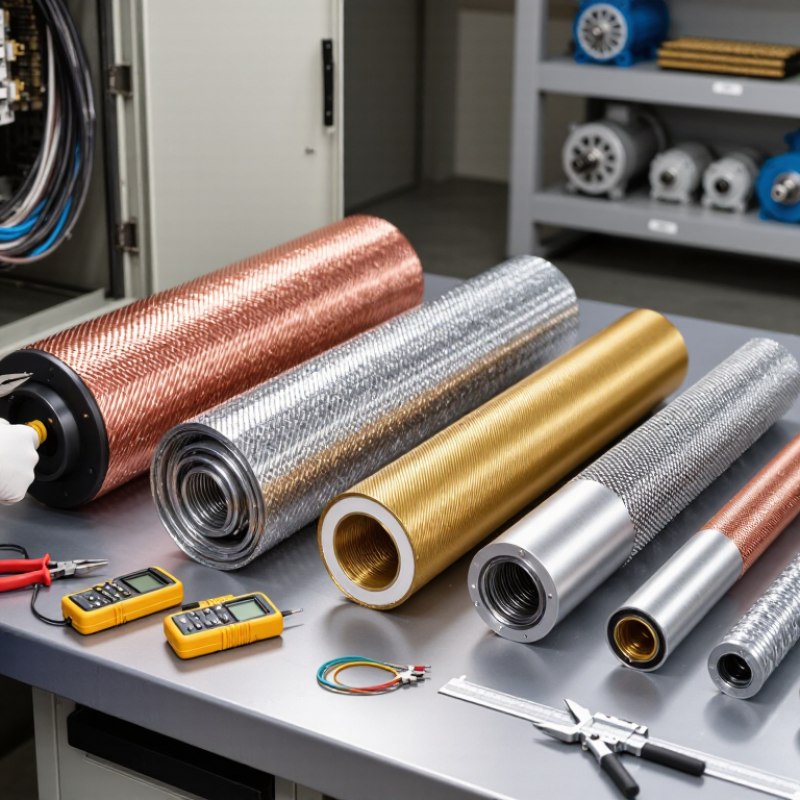
Braided copper sleeves provide strong EMI shielding and flexible grounding paths. Tinned copper versions resist oxidation and suit humid industrial areas. Aluminum foil sleeves offer high-frequency coverage with a lighter structure, but repeated bending can damage their foil layer.

Conductive fabric sleeves feel softer and fit tight cable routes. They work well in communication equipment and control cabinets. Expandable PET sleeves are excellent for abrasion protection, but they are not true EMI shields. This mistake is common.

Tips: Check shielding coverage, temperature range, inner diameter, and termination method. A sleeve that fits loosely may shift during vibration. A sleeve that fits too tightly can restrict cable movement. Ground both ends only when the system design allows it; otherwise, unwanted current paths may appear. Ask suppliers for test reports, material details, and production consistency. Samples matter. Catalog figures can hide practical weaknesses.

Automotive wiring often needs braided metal sleeves near motors and inverters. Robotics usually require flexible, wear-resistant constructions around moving joints.

Medical and measurement systems may need conductive fabric or foil solutions with controlled grounding. The best supplier should understand these application differences and recommend suitable materials. Even experienced engineers should recheck bend radius and connector clearance before approval.

Key Criteria for Evaluating Chinese Wire Shielding Sleeve Suppliers

China Best Wire Shielding Sleeve Supplier?

Key Criteria for Evaluating Chinese Wire Shielding Sleeve Suppliers

Choosing a Chinese wire shielding sleeve supplier requires more than comparing prices. Begin with the sleeve’s construction. Check shielding material, braid density, flexibility, inner diameter, and abrasion resistance. Copper, tinned copper, aluminum, and conductive fabric serve different applications. Ask for measured shielding effectiveness across your operating frequency range. Marketing claims are not test results.

A reliable supplier should provide samples, technical data sheets, inspection records, and traceable batch information. Confirm temperature ratings, flame performance, chemical resistance, and environmental compliance for your market. Factory experience matters when the sleeve must fit tight bends or repeated movement. During evaluation, inspect the cut edge and expansion behavior. Small defects can cause installation delays.

Communication is another practical test. Request a clear drawing review, sample schedule, production capacity, and corrective-action process. I have seen low quotations become expensive after unclear tolerances created rework. That mistake is easy to miss. A capable supplier should explain limitations instead of promising everything. Still, no evaluation is perfect. Pilot orders, independent testing, and periodic audits can reveal problems that documents hide. Keep records of sample results, delivery performance, and customer-service response before approving regular production.

Manufacturing Standards, Materials, and Quality Control

China Best Wire Shielding Sleeve Supplier?

Manufacturing standards, materials, and quality control should guide supplier selection. A capable factory begins with controlled drawings, approved material specifications, and traceable production records. For electromagnetic shielding, tinned copper and bare copper braids offer reliable conductivity and flexibility. Stainless steel works well where corrosion resistance and mechanical strength matter. PET or nylon covers can improve abrasion resistance, but they do not replace a conductive shield.

Look for documented quality systems, such as ISO 9001-based procedures and controlled inspection plans. Any RoHS, REACH, UL, or other compliance claim should match the exact product and test report. Ask how braid coverage is measured. A practical inspection may check resistance, tensile strength, expansion range, abrasion, and temperature performance. Samples should come from normal production, not only a carefully prepared demonstration batch.

In factory evaluations, I would review incoming copper tests, machine calibration, and lot identification. Small details matter. Inspect the sleeve under tension and after repeated bending. Loose strands may appear acceptable at first, yet fail during installation. A low resistance reading alone is not enough. Coverage can vary near joints, cut ends, and changing diameters. One weakness in many audits is limited testing after aging. That gap deserves attention. Reliable suppliers should share clear acceptance criteria, inspection records, and corrective actions when results miss the target.

Customization, Certification, and Technical Support Capabilities

China’s best wire shielding sleeve supplier should offer more than low pricing. Customization must match cable diameter, bend radius, temperature, and installation space. A sleeve that fits on the bench may fail inside a vibrating machine. That mistake is costly.

MarketsandMarkets’ 2024 Cable Management Market report estimates growth from about US$23 billion in 2024 to more than US$35 billion by 2029. This expansion increases demand for reliable shielding and traceable production. Ask suppliers for material data, shielding effectiveness results, and batch inspection records. Certifications should include ISO 9001, IEC 60684 references, and applicable RoHS or REACH documentation. For vehicle applications, CISPR 25 test experience is valuable. Technical support should provide drawings, samples, termination guidance, and response times. Real engineering help matters.

Tips: Request a custom sample first. Test it after bending, heat exposure, and abrasion. Check whether the certificate covers the exact material, not only the factory. A supplier may claim strong shielding, but performance depends on grounding and termination. No supplier gets every design right. Your test data should decide.

How to Select the Best Supplier for Your Project

China Best Wire Shielding Sleeve Supplier?

How to Select the Best Supplier for Your Project

Selecting a Chinese wire shielding sleeve supplier requires more than comparing prices. MarketsandMarkets estimates that the global EMI shielding market reached about USD 6.4 billion in 2023. It also forecasts continued growth through 2028. This demand attracts capable factories, but quality varies widely. Ask for braid material, coverage percentage, inner diameter tolerance, operating temperature, and attenuation data. Generic “high-performance” claims are not enough.

Request samples from the same production line used for mass orders. Test them over your actual cable bundle, bend radius, and installation method. A sleeve that performs well on a straight bench may fail around a tight connector. Check abrasion resistance, flame behavior, corrosion protection, and compatibility with terminals. IEC 60512-based testing can support connector-related verification, while your project may require additional environmental tests. Discuss testing methods before signing a purchase agreement.

Supplier reliability is visible in small details. Can the supplier provide batch records, material certificates, inspection reports, and a clear corrective-action process? Confirm lead times, minimum order quantities, packaging, and replacement procedures. I once saw a low-cost sleeve create rework because its diameter changed between batches. That mistake was avoidable. Still, documentation alone cannot replace independent sampling. Ask for production photos, audit the facility when practical, and compare at least three samples under identical conditions. A slightly higher price may protect installation time, field performance, and your reputation.

Login