2026 Best Robotics and Automation Technologies to Watch?
The field of robotics and automation is rapidly evolving. According to a recent report by McKinsey, the global market for robotics is projected to reach $210 billion by 2026. This explosive growth is driven by advancements in AI, machine learning, and sensor technology. Industries are adopting robotics and automation to enhance efficiency and reduce costs. However, challenges remain, particularly in workforce adaptation and technology integration.
There's a palpable excitement around adopting new technologies. Companies are exploring collaborative robots, or "cobots," that work alongside human workers. These systems are designed to boost productivity and employee safety. Yet, studies show that many businesses struggle with implementation. A significant percentage of automation projects fail to meet expectations, highlighting the importance of strategic planning.
Companies must ensure they are not just following trends blindly. Instead, a careful assessment of their specific needs is crucial. Embracing robotics and automation without a well-thought-out strategy can lead to wasted resources and missed opportunities. As we look toward 2026, awareness and reflection on these factors will be vital for success.
Emerging Trends in Robotics and Automation for 2026
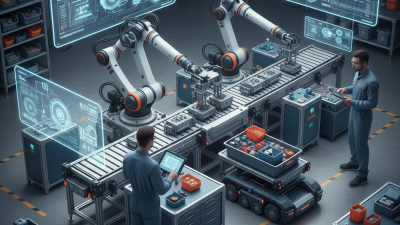
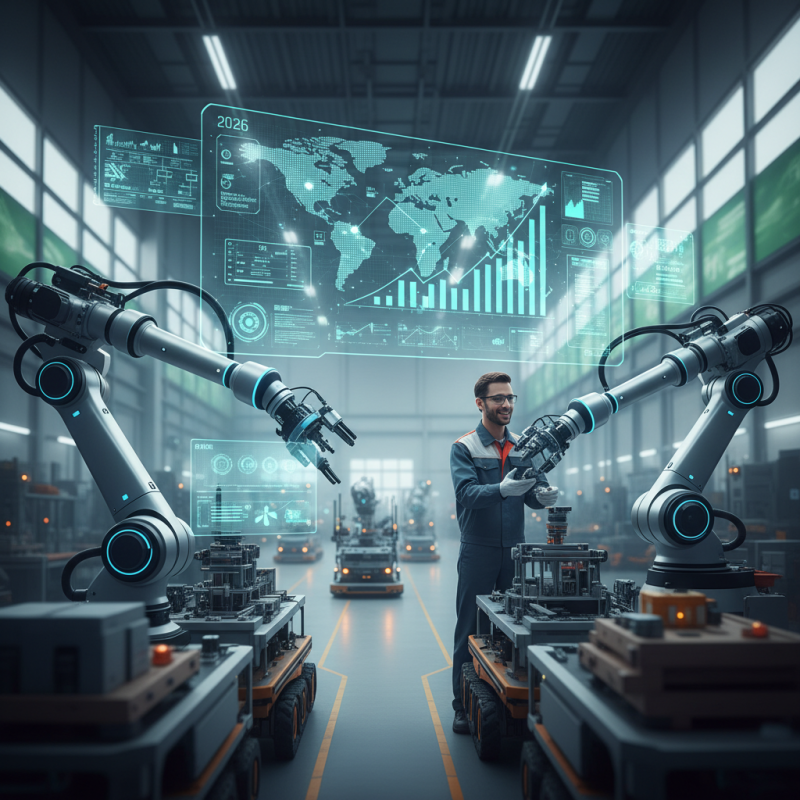
As we approach 2026, robotics and automation are set to transform various sectors. One notable trend is the rise of collaborative robots, or cobots. These machines work alongside humans, enhancing productivity while reducing the risk of accidents. Factories and warehouses will benefit from this technology, but challenges remain. The integration of cobots requires training. Employees need to adapt to new workflows and learn how to interact with them safely.
Additionally, artificial intelligence plays a pivotal role in automation. AI-driven algorithms can analyze vast amounts of data, improving efficiency in processes like inventory management. However, relying heavily on AI raises concerns about data security and privacy. Companies must tread carefully, ensuring protection against potential breaches. Moreover, the human aspect cannot be overlooked—workers may feel threatened by such advancements, leading to anxiety and resistance.
Lastly, the environmental impact of robotics technology deserves attention. Sustainable practices are increasingly important. Developing eco-friendly robots can minimize waste and reduce energy consumption. Yet, this shift is not straightforward. Balancing innovation with sustainability often presents difficult choices. As we venture into 2026, reflection on these aspects will guide the responsible advancement of robotics and automation.
Key Innovations in Robotics Technologies to Monitor
The field of robotics is on the cusp of groundbreaking advancements. Innovations in artificial intelligence are enhancing the capabilities of robots. These bots will soon perform complex tasks autonomously. Companies are focusing on soft robotics, allowing machines to interact with humans more safely. This is crucial for environments like homes or hospitals.
Another exciting trend is collaborative robotics. Robots that work alongside humans are being designed for various industries. They assist in tasks without taking over jobs. This cooperation could change manufacturing forever.
**Tip:** Always keep an eye on emerging technologies in robotics. They can significantly impact daily operations in multiple sectors. Understanding these developments is vital for staying competitive.
Flexibility in robotic design is another area to watch. Modular robots can adapt to different tasks easily. However, this adaptability raises questions about reliability and efficiency in specialized tasks.
**Tip:** Evaluate the versatility of any robotic system you consider. It may not always fit your specific needs. The balance between flexibility and specialization is delicate.
2026 Best Robotics and Automation Technologies to Watch
| Technology Type |
Key Innovations |
Impact Area |
Projected Growth (%) |
Emerging Trends |
| Industrial Robotics |
Collaborative robots (cobots) for assembly |
Manufacturing |
15% |
Increased automation and safety in assembly lines |
| Autonomous Vehicles |
Self-driving technology for logistics |
Transport |
20% |
Integration with smart city infrastructure |
| Healthcare Robotics |
Surgical robots enhancing precision |
Healthcare |
25% |
Telepresence and remote surgeries |
| Drones |
Delivery drones for e-commerce |
Logistics |
30% |
Enhanced last-mile delivery solutions |
| Agricultural Robotics |
Automated harvesting systems |
Agriculture |
18% |
Sustainable practices and higher yields |
Advancements in Artificial Intelligence for Automation
Artificial Intelligence (AI) is transforming automation. It enhances efficiency and accuracy in various sectors. According to a report by McKinsey, AI could boost global GDP by $13 trillion by 2030. This rapid growth makes AI a focal point in robotics and automation.
Recent advancements in machine learning and computer vision are significant. They allow machines to learn and adapt to new tasks. For instance, AI algorithms can analyze vast amounts of data quickly. However, the challenge lies in training these systems. A study by PwC indicates that nearly 70% of organizations struggle with AI implementation. This gap raises questions about readiness and approaches in different industries.
Automated systems, powered by AI, are becoming more prevalent. Yet, concerns about job displacement persist. Robotics can perform specific tasks better than humans, but they lack the emotional intelligence that many roles require. The ongoing dialogue around AI ethics is crucial. It invites reflections on how we balance technological advancement with human needs.
2026 Best Robotics and Automation Technologies to Watch
Impact of Robotics on Various Industries by 2026
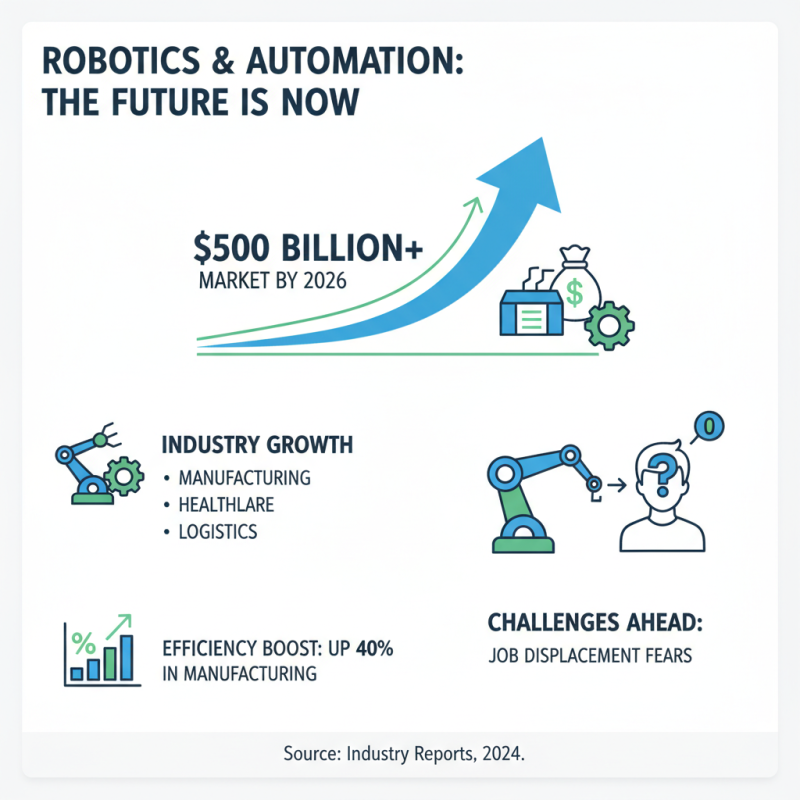
By 2026, robotics is expected to make significant strides across various industries. Reports indicate that the market for robotics and automation could surpass $500 billion. This growth reflects a broader trend where sectors like manufacturing, healthcare, and logistics are increasingly integrating robotic systems. For instance, in manufacturing, robotic process automation could enhance efficiency by up to 40%. Yet, this rapid adoption brings challenges. Many workers may find their roles threatened by these technologies.
In healthcare, robots are predicted to perform over 30% of surgeries by 2026. They can reduce human error and improve patient outcomes. A study shows that robotic surgeries may cut recovery time in half. However, reliance on robotic systems raises ethical questions about care quality. Automation could lead to a depersonalized experience for patients, requiring a delicate balance.
The logistics sector is also undergoing transformation. Supply chains are becoming more automated, with robots handling everything from sorting to delivery. Reports suggest that this change could increase logistics productivity by 25%. But these advancements may come at the cost of employment. Many workers may need to reskill to stay relevant. The future of robotics is bright, yet it calls for a careful consideration of its impacts on the workforce and society.
Future Challenges and Opportunities in Robotics and Automation
The field of robotics and automation presents both exciting opportunities and daunting challenges. According to a recent report from the International Federation of Robotics, the global robotics market is projected to reach $210 billion by 2026. This growth signals increased investment in automation technologies across various sectors. However, the rapid advancement in this field also raises concerns about workforce displacement and the ethical implications of robotic integration in everyday life.
As automation becomes more sophisticated, businesses need strategies to address the skills gap. The World Economic Forum highlights that over 85 million jobs may be displaced by 2025, but they also forecast the creation of 97 million new roles. This shift indicates that while automation can boost efficiency, it must also evolve in tandem with workforce development. Organizations must invest in training programs to help their employees adapt to new technologies.
Moreover, implementing robotics poses challenges related to cybersecurity. As systems become interconnected, the risk of cyberattacks grows. A study from Cybersecurity Ventures predicts that by 2025, cybercrime will cost the world $10.5 trillion annually. Companies must prioritize cybersecurity measures to protect their automation systems. Addressing these challenges is essential for harnessing the full potential of robotics and automation while ensuring a secure and equitable future.